Need a speaker?
Explore speaking topics

Trending
Weekly Economic Index
Get analysis, research and event information delivered directly to your inbox
Subscribe
Southwest Economy
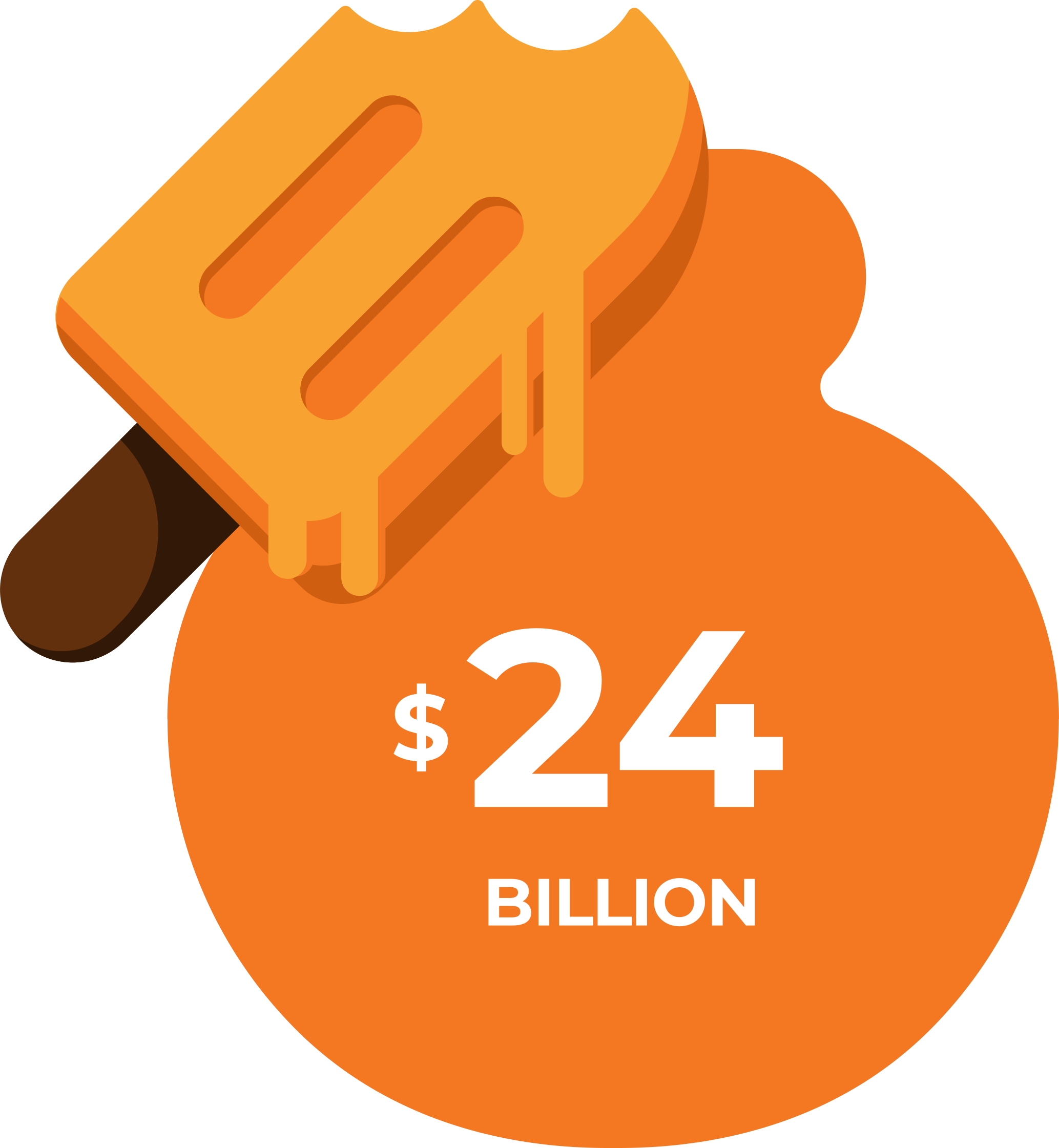
Record summer heat likely slowed Texas GDP growth by $24 billion
Read the full articleFresh from the Fed
Dallas Fed Economics

Texas economic activity expands modestly; labor market remains healthy
Read more
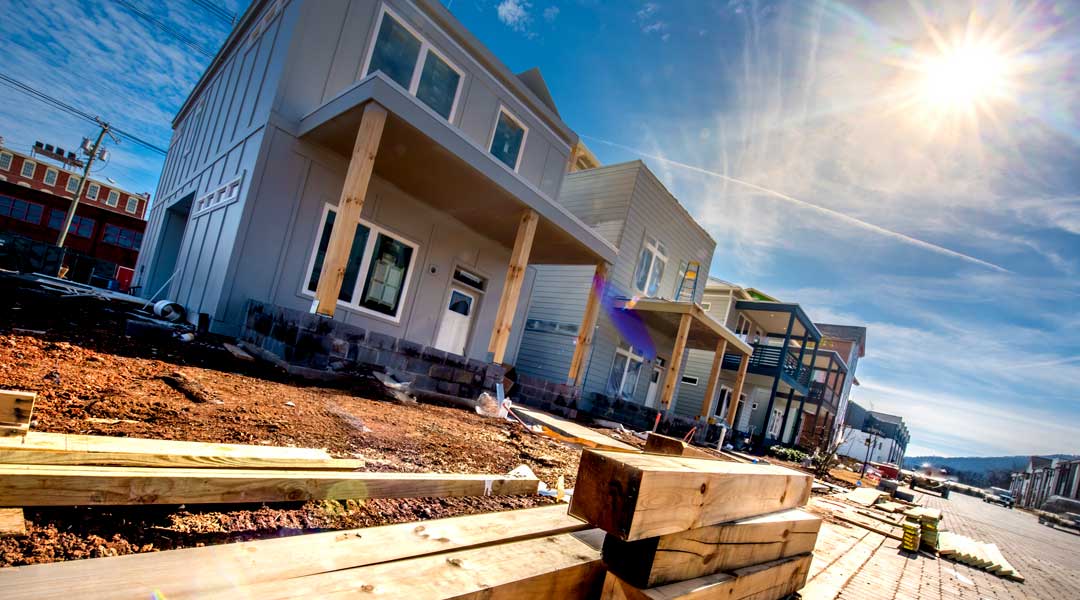
Lower interest rates don’t necessarily improve housing affordability
Read more

Improved business outlooks, faster job growth boost Texas outlook
Read more

Disparate supply-side forces gave U.S. economy an edge
Read more
Dallas Fed Communities

Job seekers with associate degrees likely to benefit from short-term credentials
Read more

Is federal broadband funding going to states that need it most?
Read more

Short-term credentials meet growing interest among students, employers
Read more
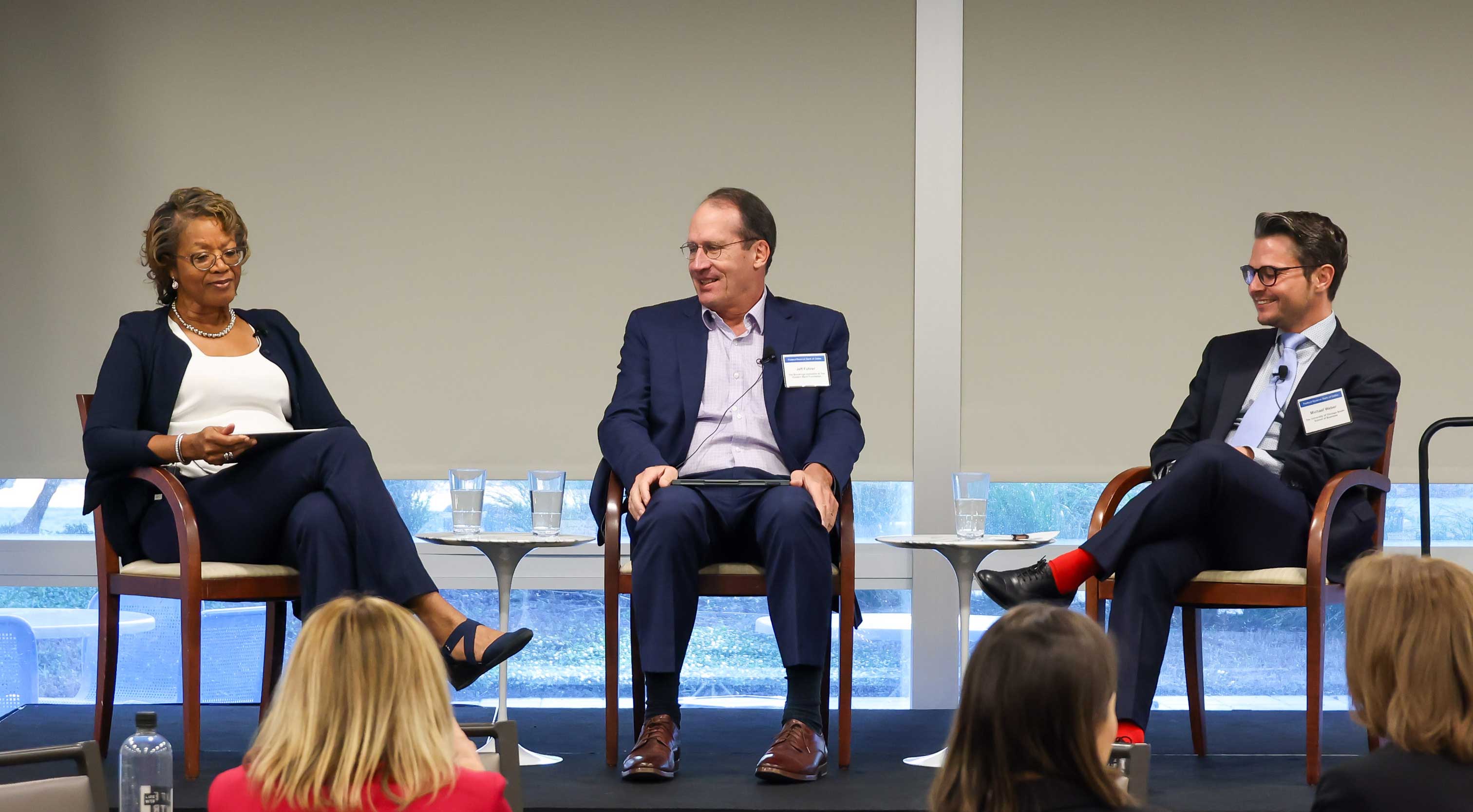
Economic Inclusion Fireside Chat: Michael Weber and Jeff Fuhrer on an inclusive economy
Read more
Southwest Economy

Addressing Texas grid reliability: Time to go nuclear?
Read more

Texas high tech shakes off post-pandemic slump, readies new growth path
Read more

Mexico’s productivity woes limit nearshoring, growth potential
Read more

Federal deficit, tax inequities, entitlement programs vie for lawmakers’ attention
Read more

Banks and credit unions: FedNow is live
The FedNow Service enables financial institutions of every size across the U.S. to provide safe and efficient instant payment services to their customers, around the clock, every day of the year.
Learn about FedNowYour local economy
Find the latest updates on business activity, employment, real estate and more for your area.

Houston Economic Indicators
Read more
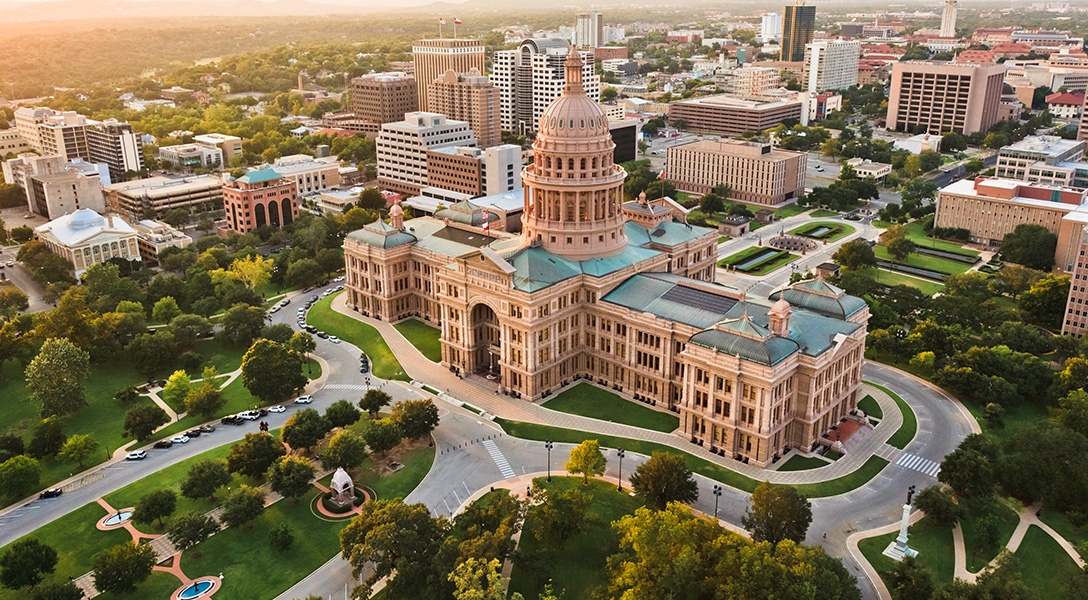
Austin Economic Indicators
Read more

El Paso Economic Indicators
Read more
Texas Economic Indicators
Read more

Dallas–Fort Worth Economic Indicators
Read more

San Antonio Economic Indicators
Read more

Permian Basin Economic Indicators
Read more
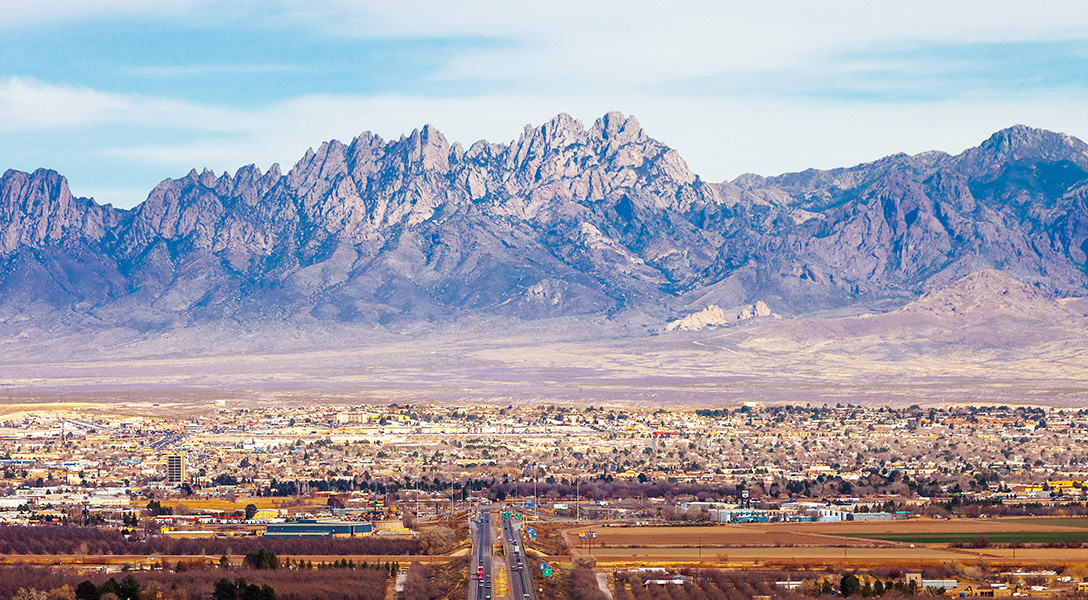
Southern New Mexico Economic Indicators
Read more
Recharge your energy knowledge
Our research examines the links between oil, energy and the economy.
More energy researchMore from the Dallas Fed
Economic Data


Dallas Fed Surveys


Community and Education



Join us for events
Explore our events, including economic presentations, conferences, development opportunities and more.
Browse and register